

Chrysanthemum and dendrobium jelly is a dessert with clear golden jelly, a whole yellow flower and small goji berries inside. Nương Nương’s recipe combines chrysanthemum, dendrobium, cassia seed, goji and mulberry leaf with ice jelly powder, water and rock sugar.
Explore the ingredients with Nương Nương. Selection and origin stories come from the manufacturer; the recipe has been checked against Nương Nương’s product records.
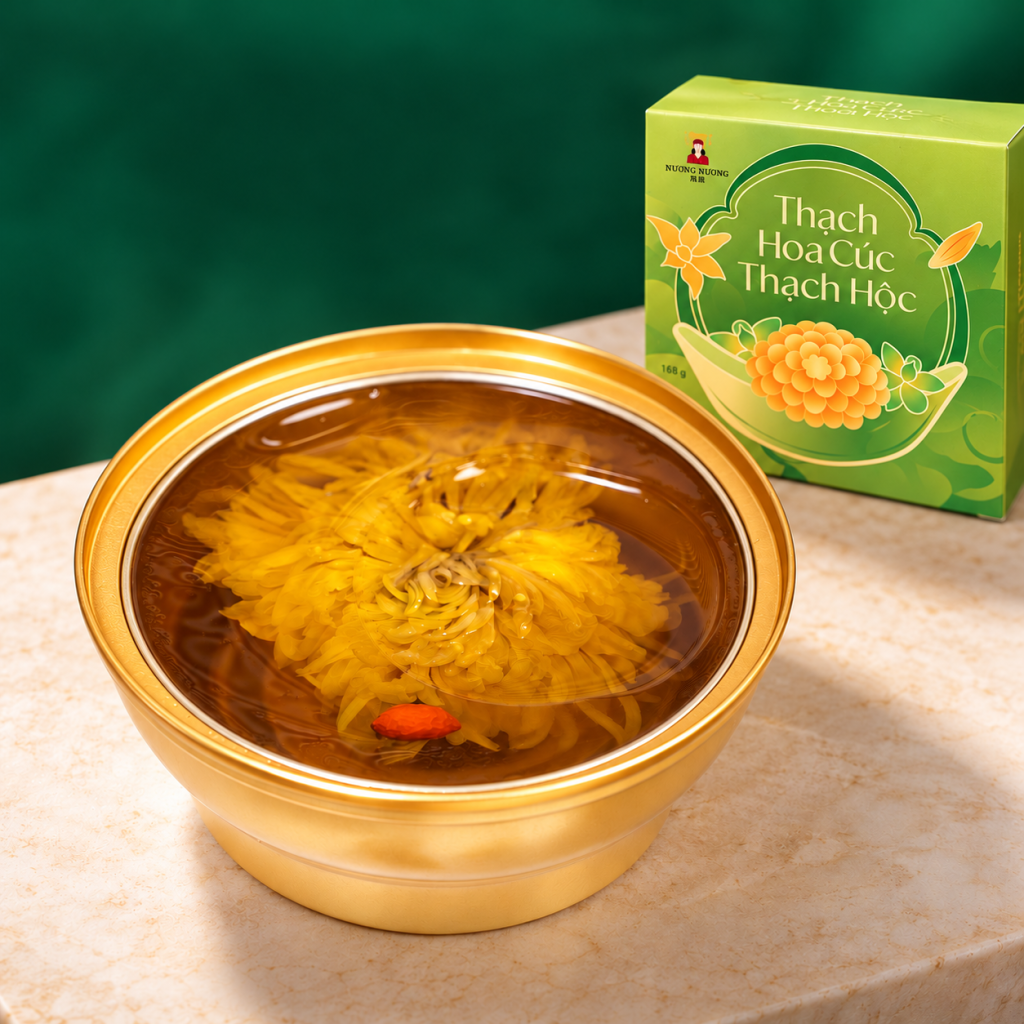
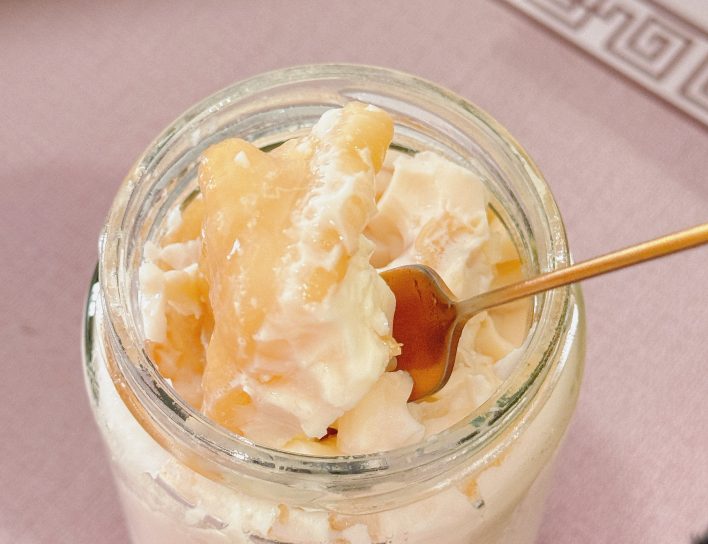
If you know chrysanthemum tea, there is something familiar here, enjoyed in a different way: pick up a spoon, cut into the jelly and notice the petals held in its golden layers. Floral fragrance and sweetness come with a soft texture, giving you a dessert to spoon through.
1. Chrysanthemum — a whole flower in the bowl
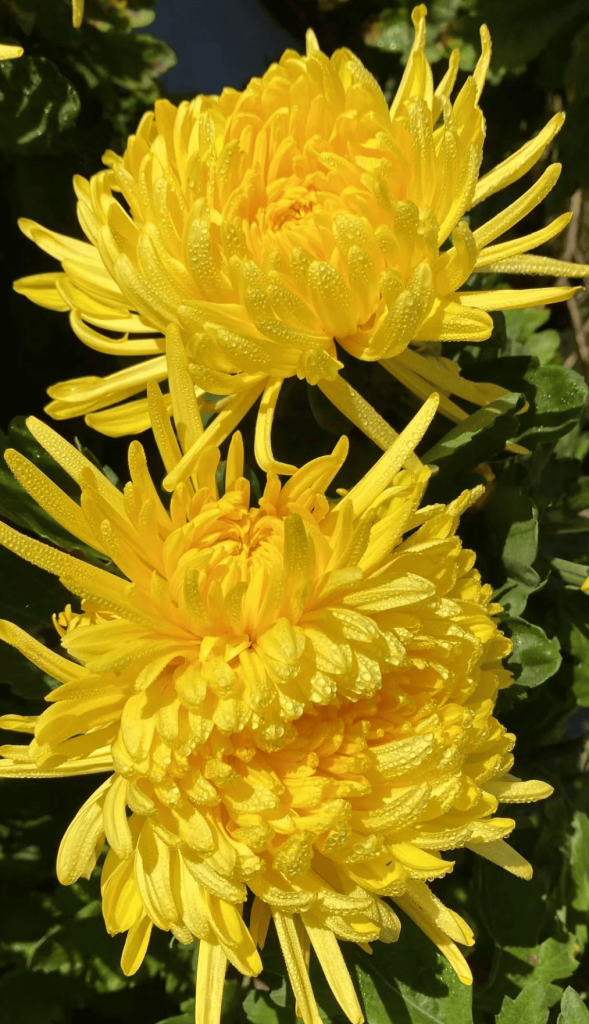
The yellow flower, with its many layers of petals, is the first detail to catch the eye. The manufacturer calls it golden chrysanthemum and describes selecting large, full flowers that keep their shape inside the jelly. The flower is both an ingredient and the dessert’s defining visual feature.
The petals suspended in clear jelly need little decoration. They offer a natural starting point for the story: chrysanthemum is present through its shape and fragrance, giving a visible connection to the name on the lid.
2. Dendrobium — an ingredient from the stem
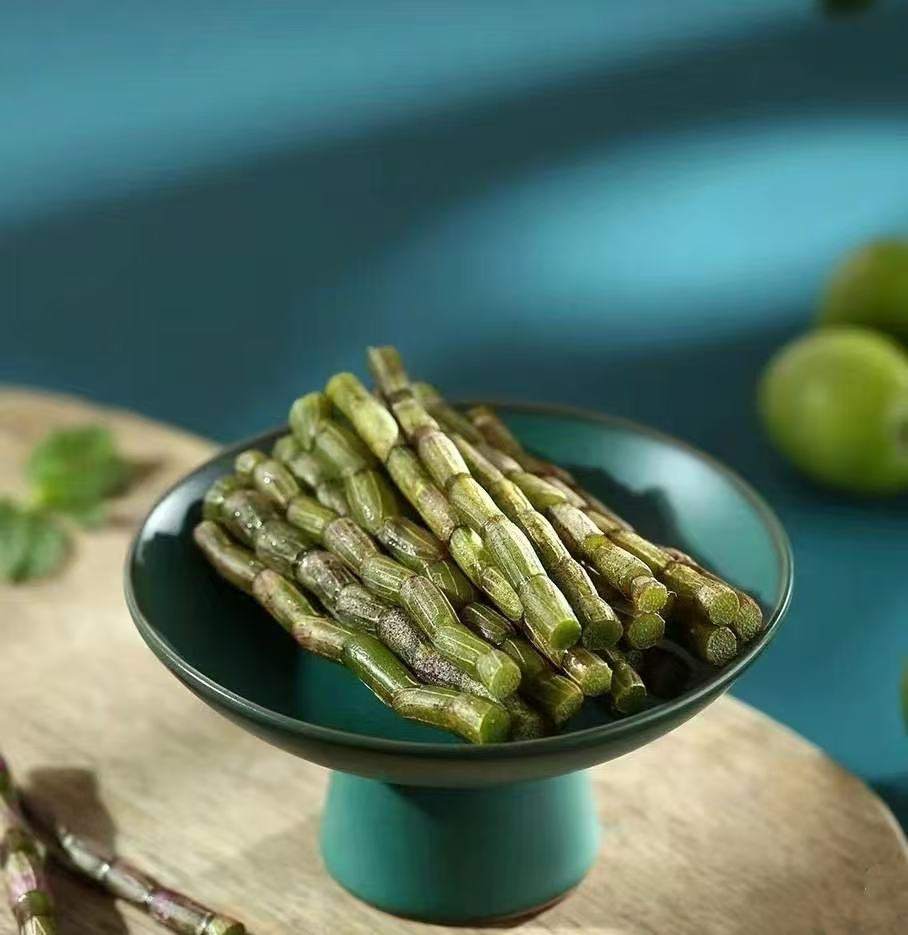
The Vietnamese name “thạch hộc” may be unfamiliar. It refers to Dendrobium orchids, whose stems are used as the ingredient. The green, jointed pieces in the photograph help put a shape to the second ingredient in the dessert’s name.[1]
The manufacturer gives dendrobium a prominent place in its account of traditional herbal culture. For this dessert, a useful first connection is simply how a less familiar ingredient sits alongside a recognisable flower, giving the recipe its own story.
A different way to enjoy it. Chrysanthemum tea is sipped. This bowl is eaten with a spoon: the familiar flower becomes part of a different experience, held inside a piece of jelly.
3. Cassia seed — the small brown seeds
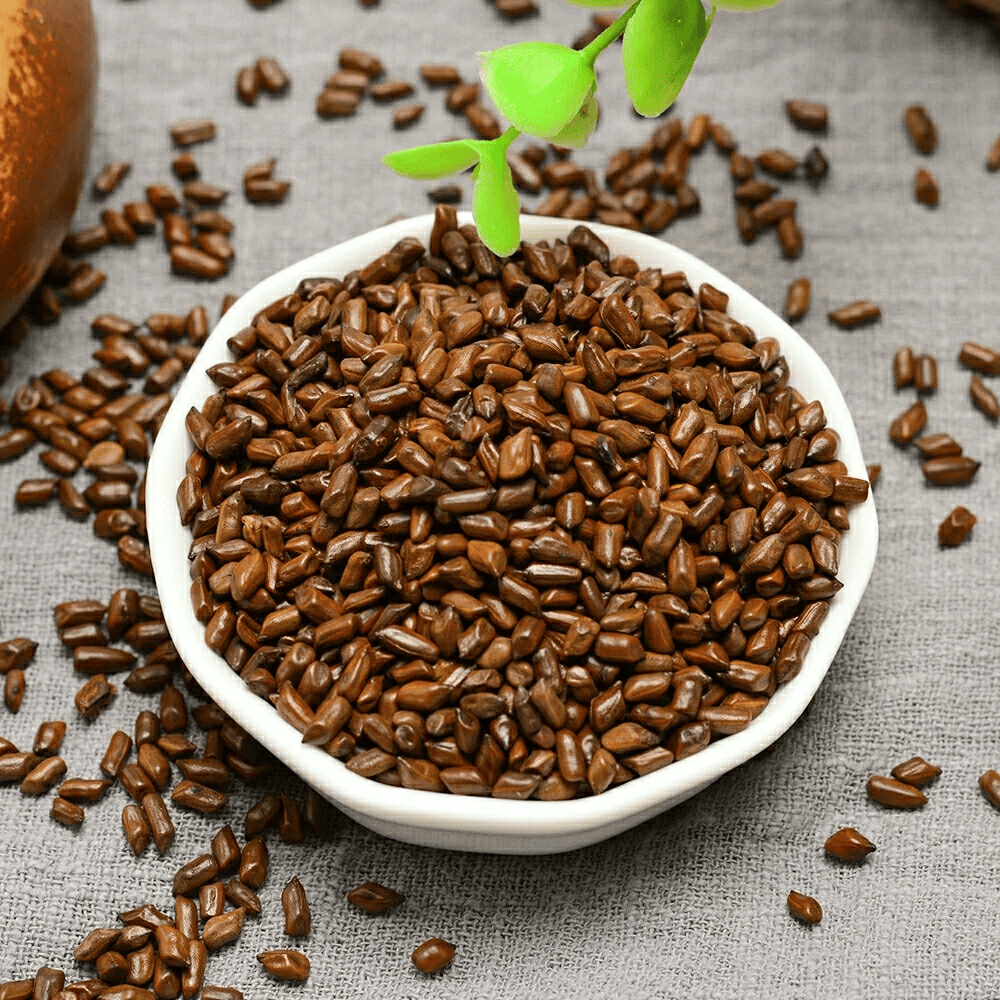
Cassia seed, known in Vietnamese as hạt muồng or quyết minh tử, looks quite different from the bright yellow flower. The ingredient name refers to dried mature seeds from cassia plants.[2]
4. Goji — a red accent from Ningxia
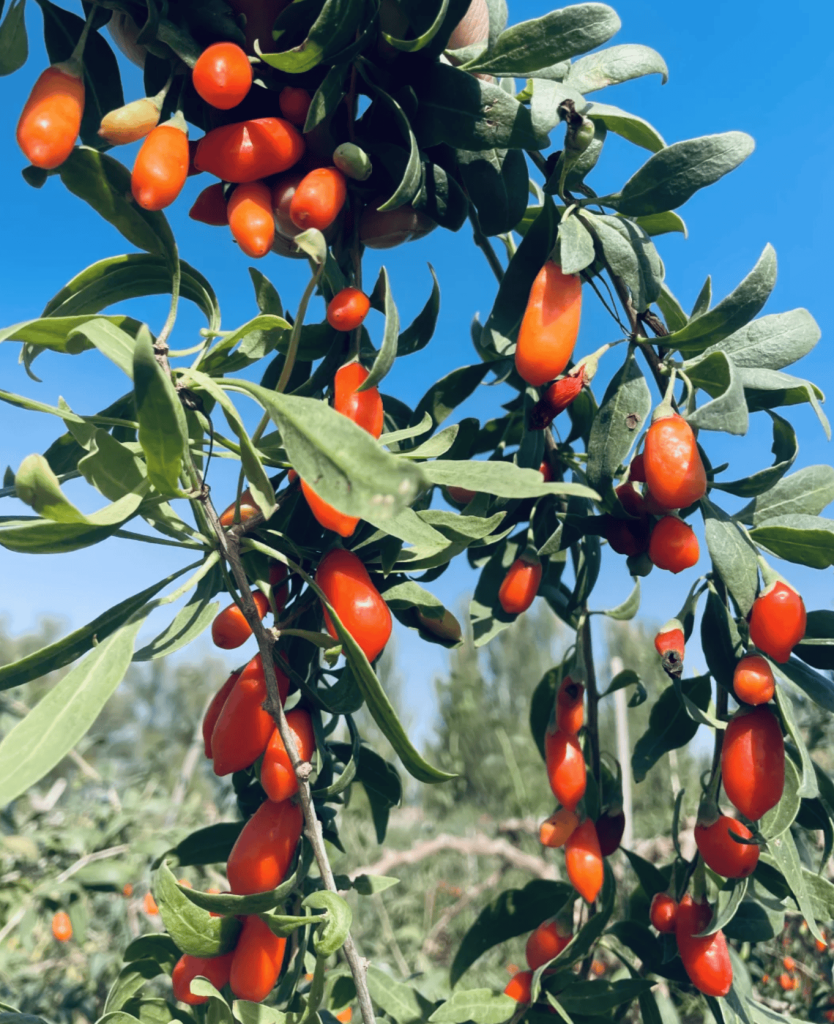
Goji adds a red-orange accent against the yellow flower and golden jelly. The manufacturer’s story specifically names Ningxia goji as the ingredient’s origin. The photograph shows the fruit on the branch, before it becomes the familiar dried ingredient.
In the finished bowl, a small amount of goji sits beside the chrysanthemum. Think of it as a touch of colour within the dessert; the ingredient photograph does not represent the amount in a serving.
5. Mulberry leaf — the leaf in the recipe
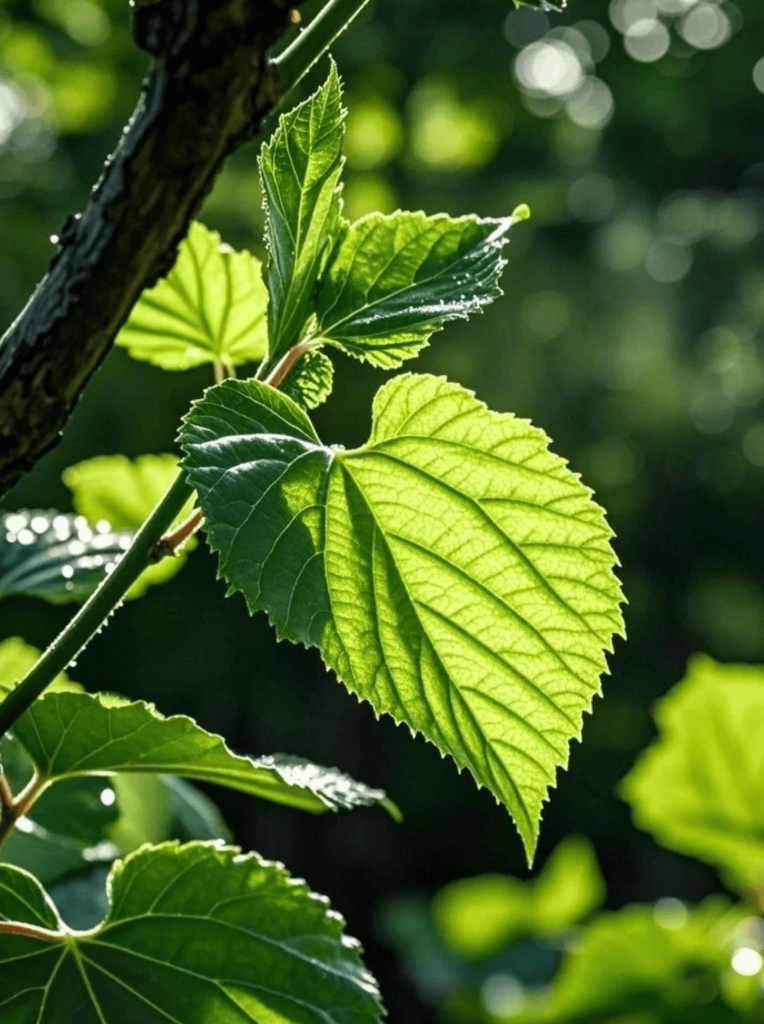
Mulberry may bring dark purple fruit to mind. This recipe uses mulberry leaf, with the green blade and toothed edges shown in the photograph. Together with the flowers, stems and seeds above, it illustrates how different plant parts appear in the recipe.
6. Ice jelly powder — what makes it a spoonable dessert
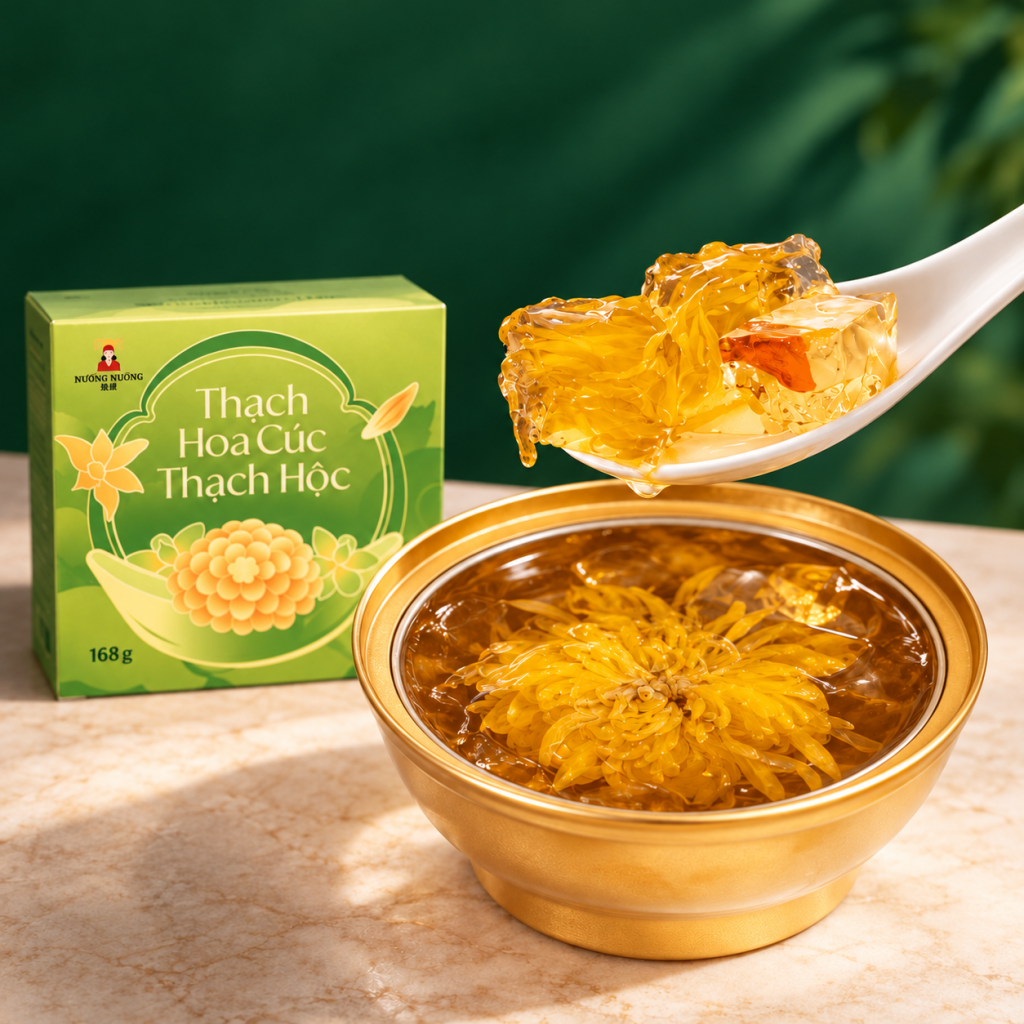
Nương Nương’s recipe lists this ingredient as bột thạch lạnh, recorded in English as Ice Jelly Powder. It helps form the jelly that holds the petals and goji inside, giving the dessert its spoonable texture.
Water and rock sugar are also part of the recipe, alongside the six featured ingredients. Rock sugar is added sugar and falls within WHO’s definition of free sugars.[3] Consider the sweetness and portion as part of your usual way of eating.
A small bowl when you feel like a change
Nương Nương’s 168 g bowl comes with an individually wrapped clear plastic spoon. It is ready to eat: open the lid to enjoy it, or chill it as directed on the label. An afternoon when you want something floral is an easy occasion to picture.
Read the instructions and expiry date on your own pack before eating. The product label states that it is not for pregnant or breastfeeding people or young children. Store as directed and finish within 24 hours of opening.