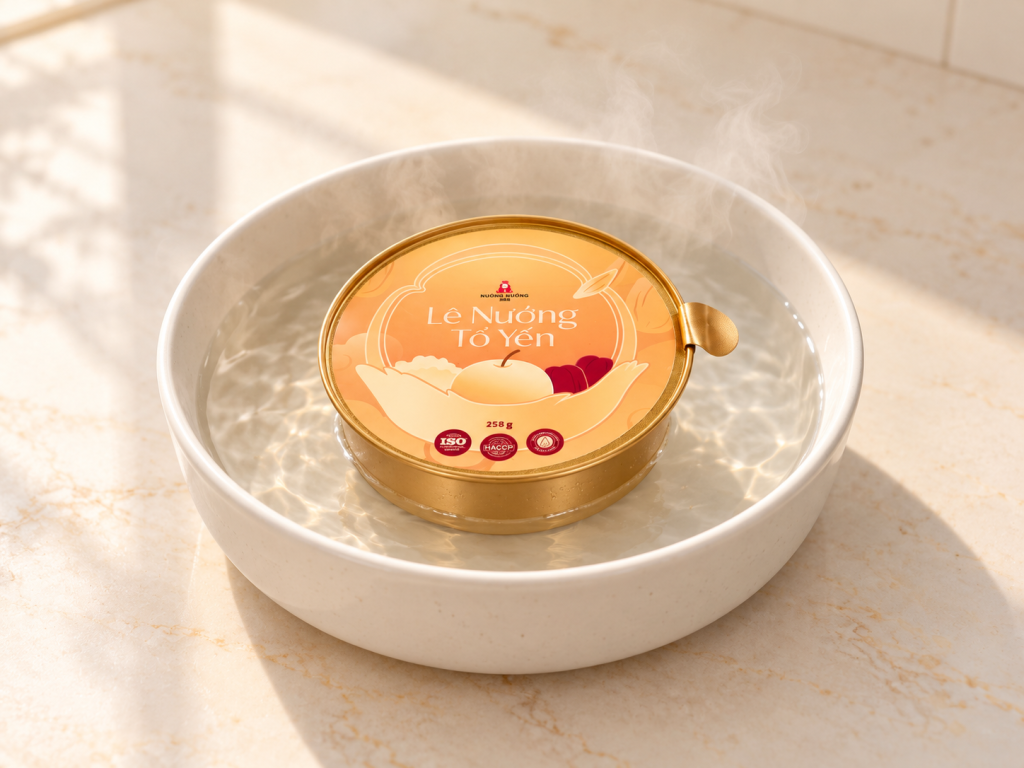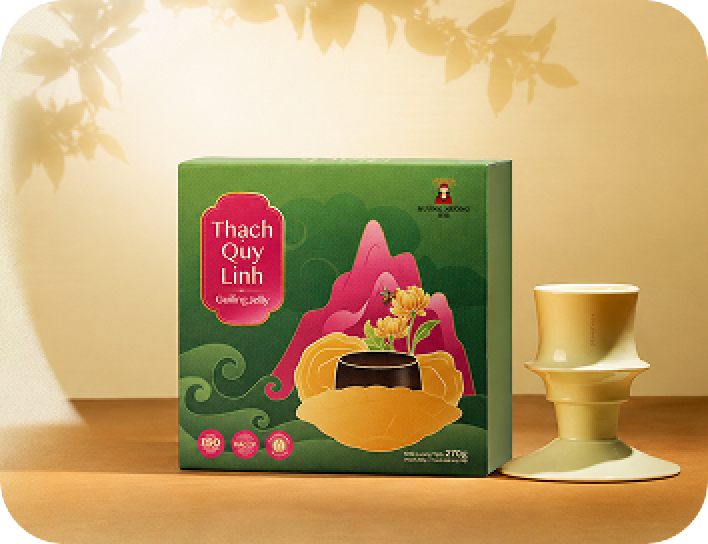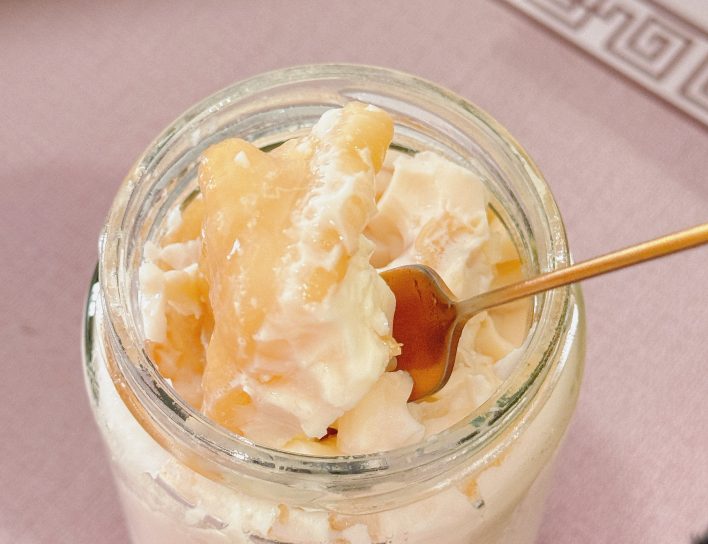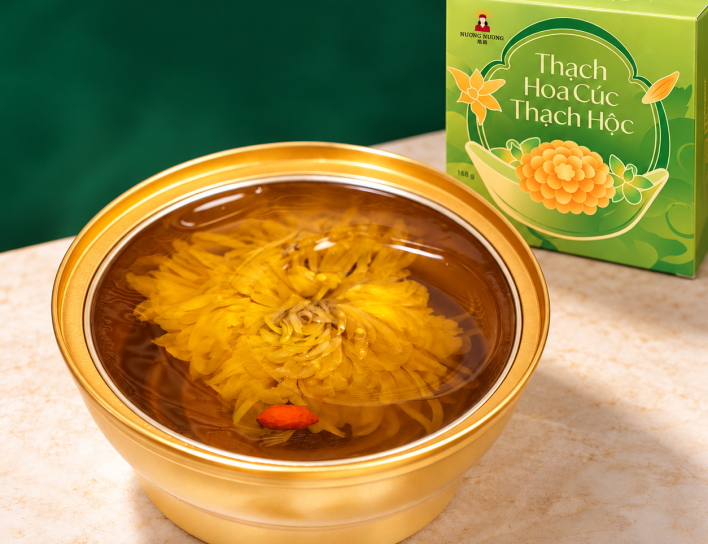


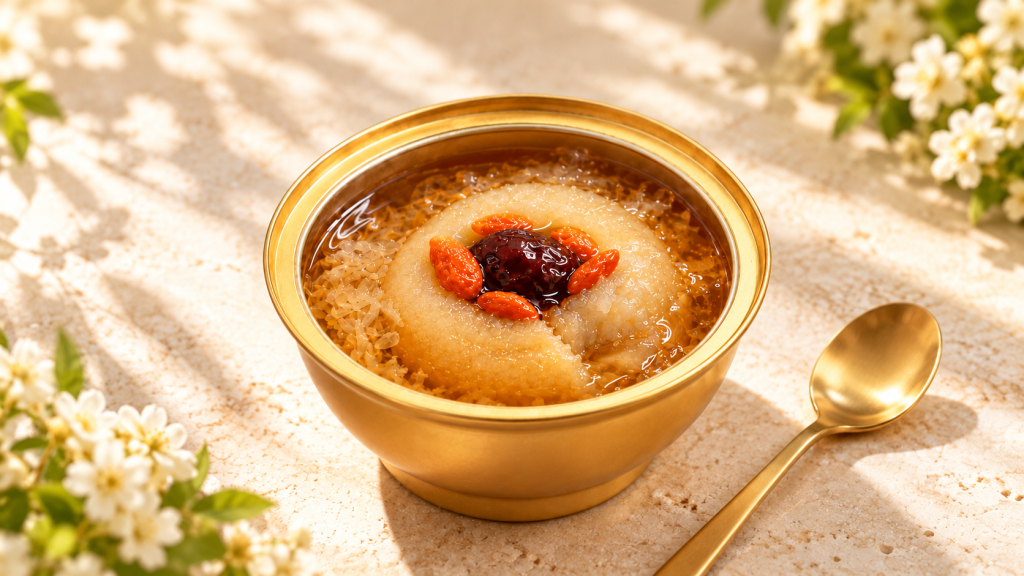
Baked pear with bird’s nest combines soft-cooked pear, edible bird’s nest, snow fungus, red dates, goji berries and yellow rock sugar. There are several textures to discover in one bowl: pear you can cut with a spoon, fine strands of nest and slippery fungus fronds in a sweet liquid.
If you are curious about where these ingredients come from, join Nương Nương in following their journey from growing region to prepared bowl.
The origin and ingredient-selection stories below follow information supplied by the manufacturer. Additional references appear at the end.
1. Dangshan pear — From the orchards of Anhui
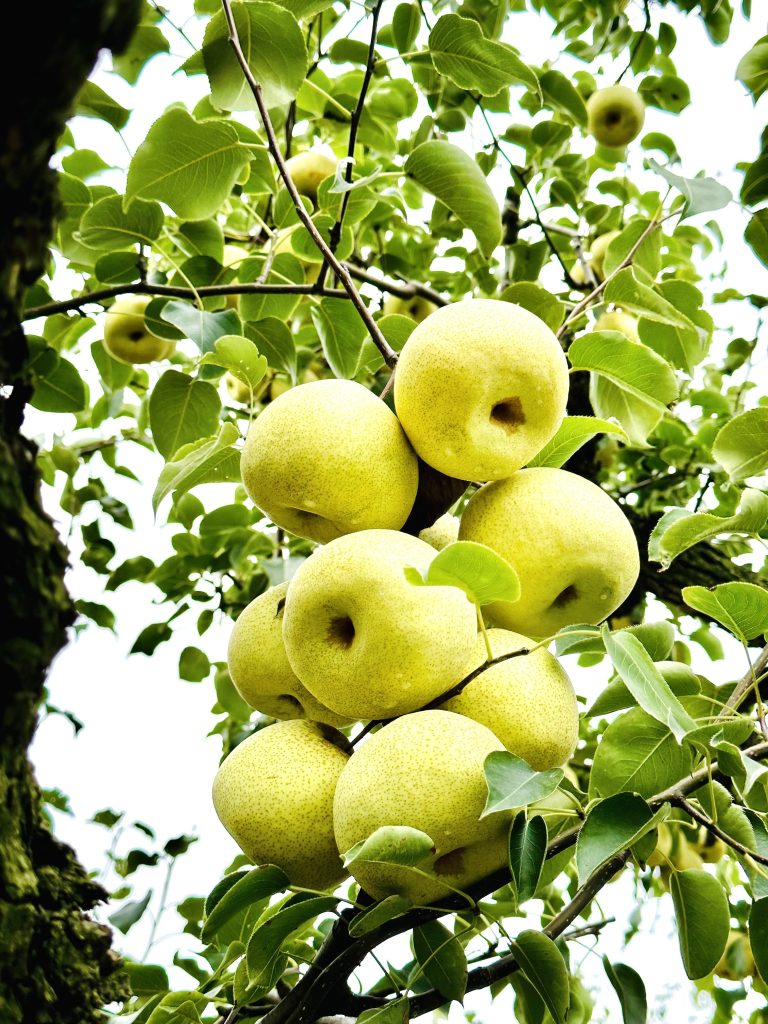
The pear sits at the centre of the bowl, and it is where the story begins. The variety introduced is Dangshan Su pear, from Dangshan County in Anhui, China. Its regional name has held geographical-indication protection in China since 2003.The growing area is described as lying near 34° north, on land along the former course of the Yellow River, with loose, aerated soil, plenty of sunshine and differences between daytime and nighttime temperatures.
The manufacturer describes choosing seasonal pears from 70-year-old trees: thin-skinned, white-fleshed, juicy and crisp when fresh. Cooking softens the flesh. You can cut off a small piece, add a little liquid and taste the pear alongside the other ingredients.
2. Indonesian bird’s nest — Fine strands in the liquid
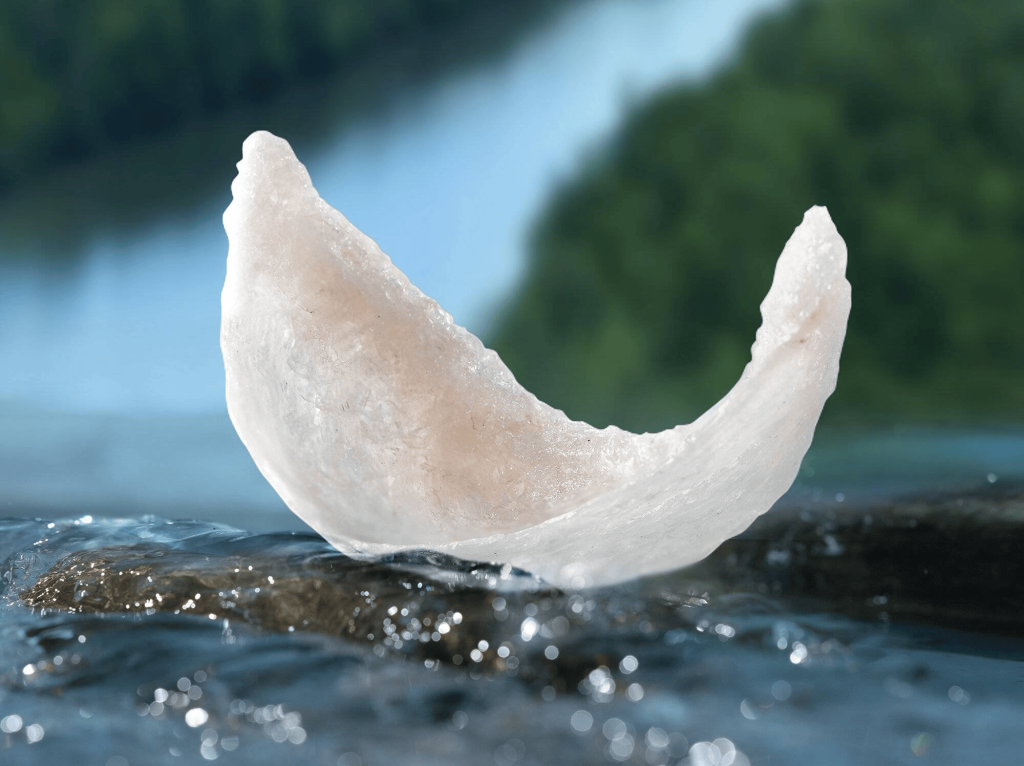
The bird’s nest is introduced as imported from Indonesia, from a supply region described as rainy and ecologically rich. This ingredient comes from swiftlets and is used in sweet dishes in Chinese cuisine.
In the pear bowl, fine strands sit among the liquid and fungus fronds. A spoonful with pear brings together soft fruit and finer strands. The raw-nest photograph helps identify the ingredient; the amount in each bowl should be checked against the product’s declared information.
3. Gutian snow fungus — Soft folds that hold the liquid
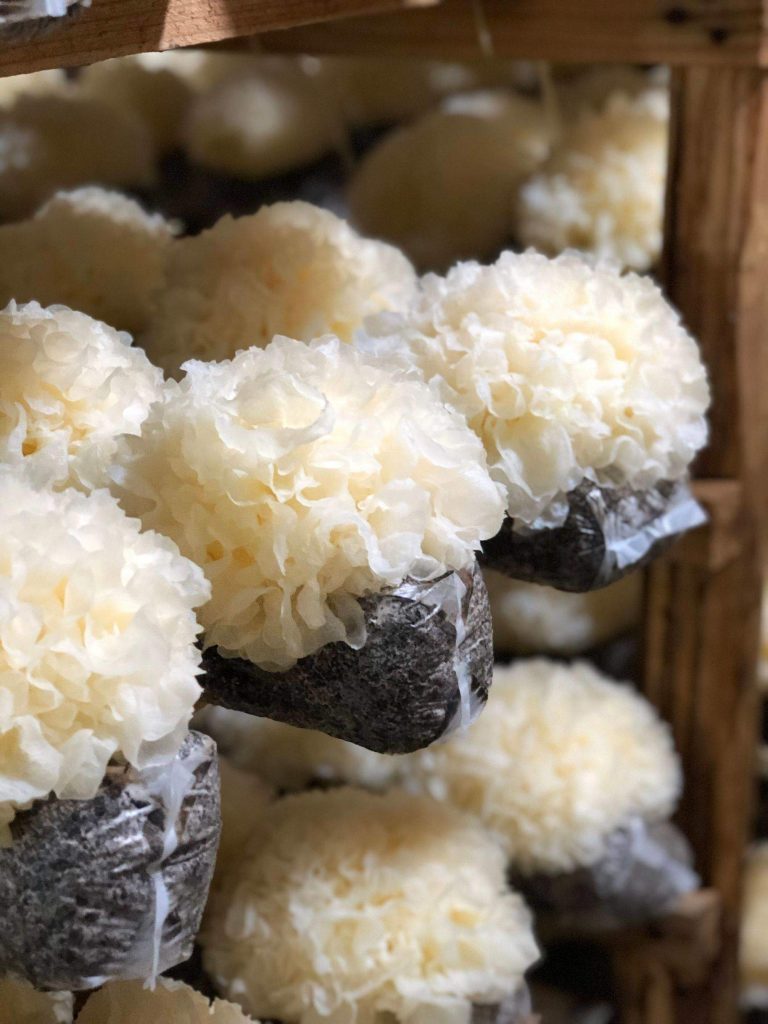
Snow fungus, also known as silver ear or white fungus, is introduced as coming from Gutian County, Fujian, China. Its story describes wooded mountain surroundings and fresh fungus grown on substrate. One particular detail from the manufacturer is the inclusion of lotus-seed shells and astragalus in that growing substrate. These are cultivation materials, not two extra ingredients added directly to the pear bowl.
The many folds soften during cooking, becoming slippery and holding a little liquid in each spoonful. The thickness of cooked snow-fungus dishes is associated with soluble fibre released during cooking; that texture is not evidence of collagen.Alongside the pear, the fungus offers another kind of softness to notice.
An easy distinction to miss. Bird’s nest and snow fungus are different ingredients: one comes from swiftlets, while the other is an edible fungus. Both can appear in sweet dishes, but their names should not be used interchangeably.
4. Xinjiang red dates — Fruit aroma after sunny days
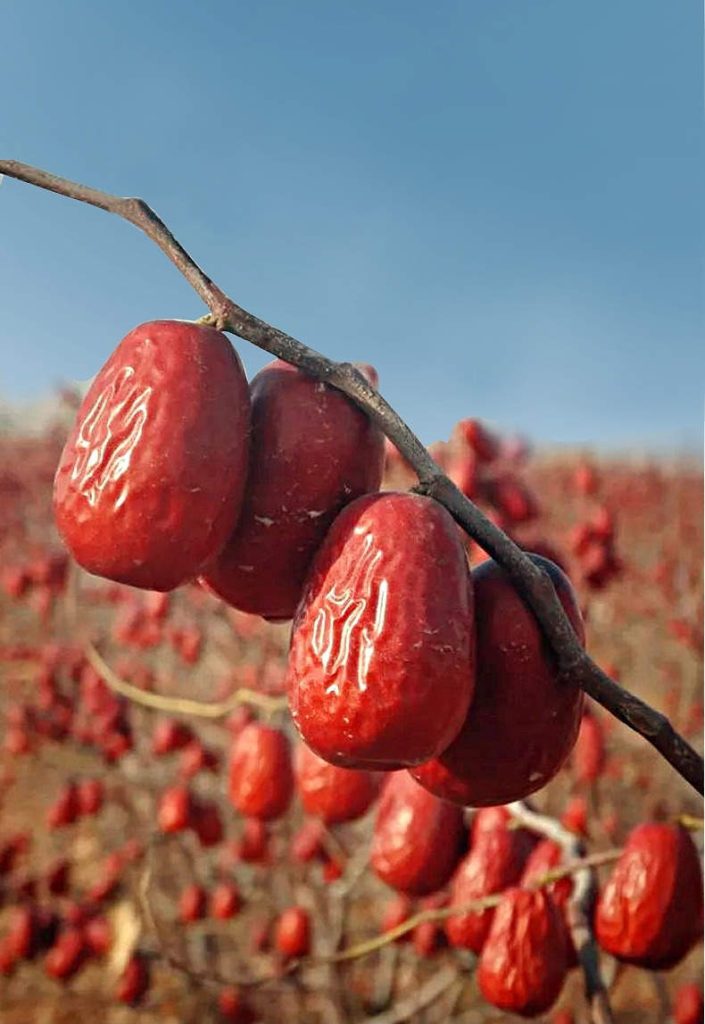
The red dates in the ingredient story come from Xinjiang, China. Long sunshine hours, little rainfall and day–night temperature differences feature in the growing-region account, along with natural drying. The fruit is described as thin-skinned, fleshy and sweet.
Cooking with pear softens the dates and adds dried-fruit aroma to the liquid. Try a little liquid first, then a piece of date to notice its flesh and skin. Even in one bowl, the individual ingredients retain something of their own character.
5. Goji berries — A little orange red colour
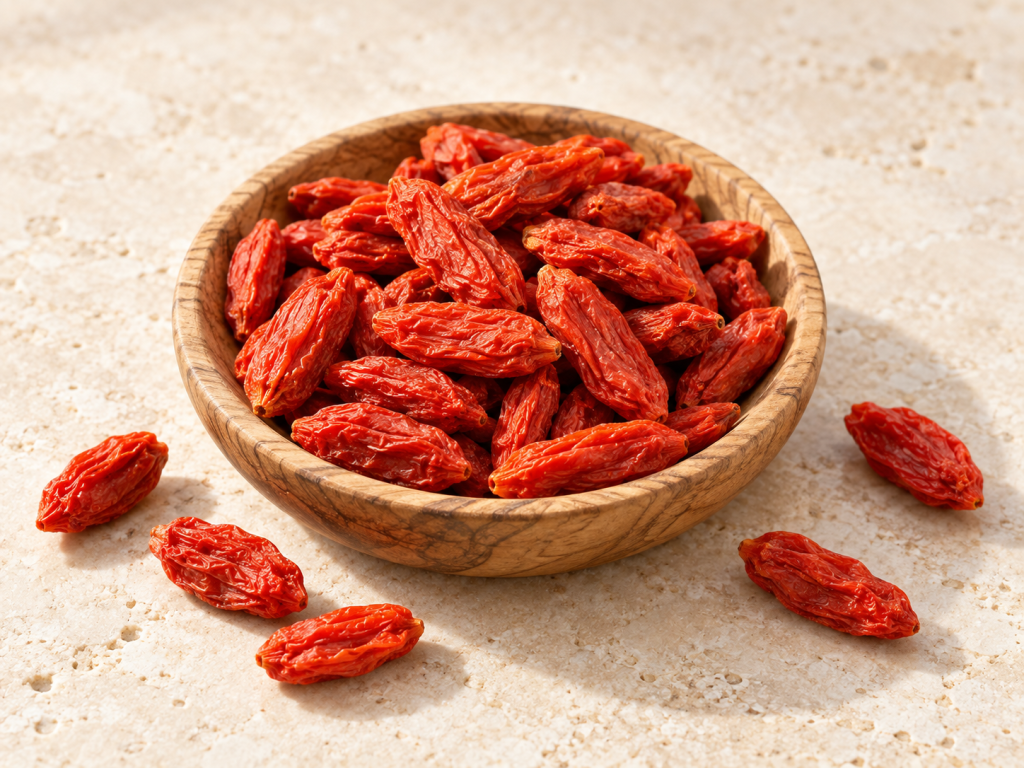
Goji berries are the small orange-red fruit scattered among the pear, dates and snow fungus. They soften during preparation and can be scooped up with the liquid or eaten with a piece of pear. Their small size and colour add another detail among the larger ingredients, bringing a little variation to each spoonful.
6. Yellow rock sugar — From cane juice to sweetness
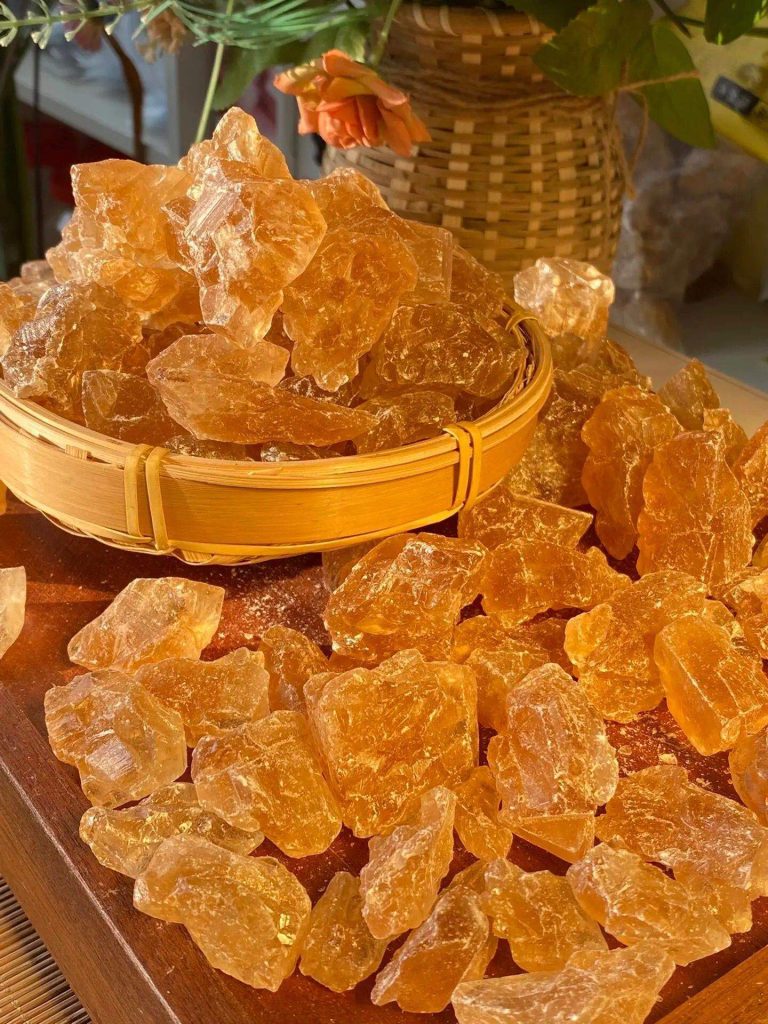
The yellow rock sugar is described as slowly prepared from fresh cane juice using a traditional method, forming pale-yellow, translucent pieces. As it dissolves, it blends into the liquid around the pear and the other ingredients.
“Gently sweet” describes a taste, not the amount of sugar in the dish. Added rock sugar still falls within the WHO definition of free sugars.If you are monitoring sugar intake, check the nutrition panel and serving size on the label.
From ingredients to a ready-to-eat bowl
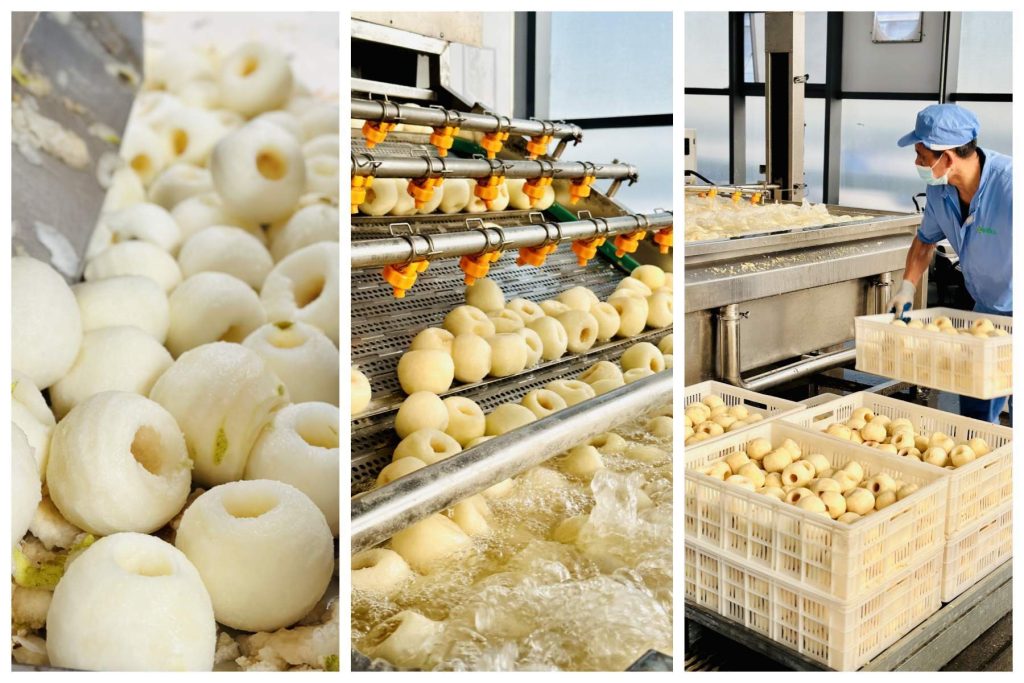
Pears are selected, peeled, cored and cleaned before the ingredients are portioned, cooked and packaged. The preparation photographs show part of the work behind the soft fruit at the centre of the bowl.
Nương Nương’s version contains one 258 g bowl and a separately wrapped spoon. Preparation is already done; open and enjoy it according to the packaging instructions, starting with the liquid or a piece of pear as you prefer.
Enjoy it warm or chilled
Serve at room temperature, chilled or warmed according to the product instructions. Choose a cool portion for an afternoon pause or a warm bowl to enjoy slowly. For water-bath warming, use suitable equipment and follow the label; do not put the metal bowl or metal lid in a microwave. Check the storage directions and expiry date on the packaging you receive.