

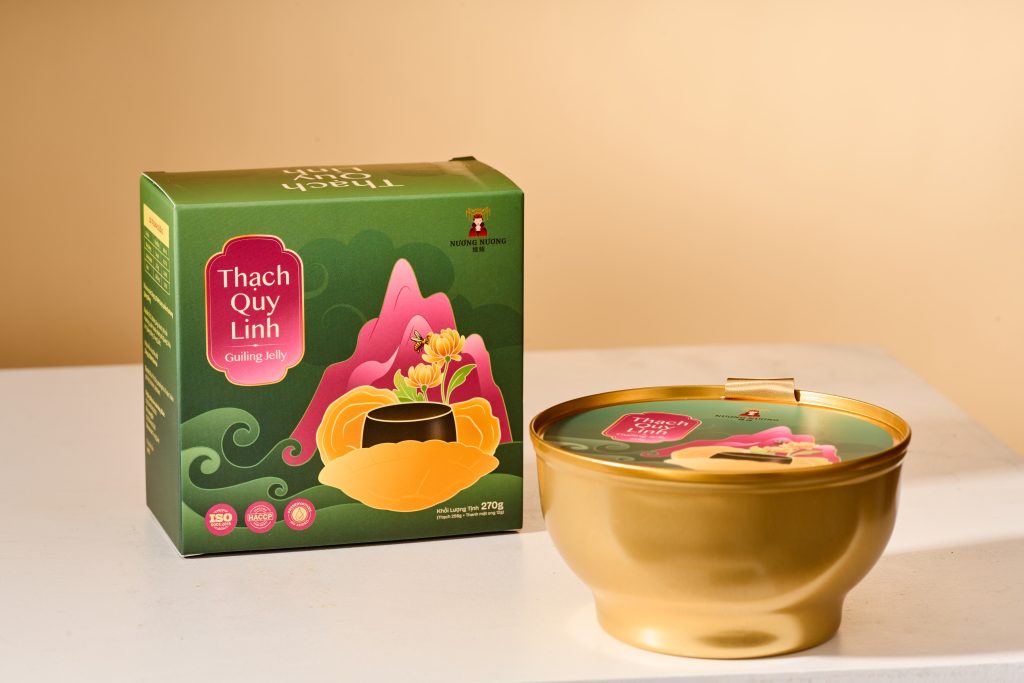
Guiling jelly is a black herbal dessert with a mild bitterness, often enjoyed with a little honey. Nương Nương’s recipe combines grass jelly herb, turtle extract, reishi, poria and other plant ingredients. Its familiar dark appearance may bring grass jelly to mind, although the two desserts do not necessarily have the same ingredients.
The manufacturer’s story begins in Cantonese sweet soup shops, where a bowl of jelly is an everyday dessert. Explore the ingredients with Nương Nương before they become glossy black jelly, from reishi caps to Yunnan poria and monk fruit associated with Guangxi.
Regional and selection stories come from the manufacturer. Ingredients and pack contents have been checked against Nương Nương’s label; supplementary references appear at the end.
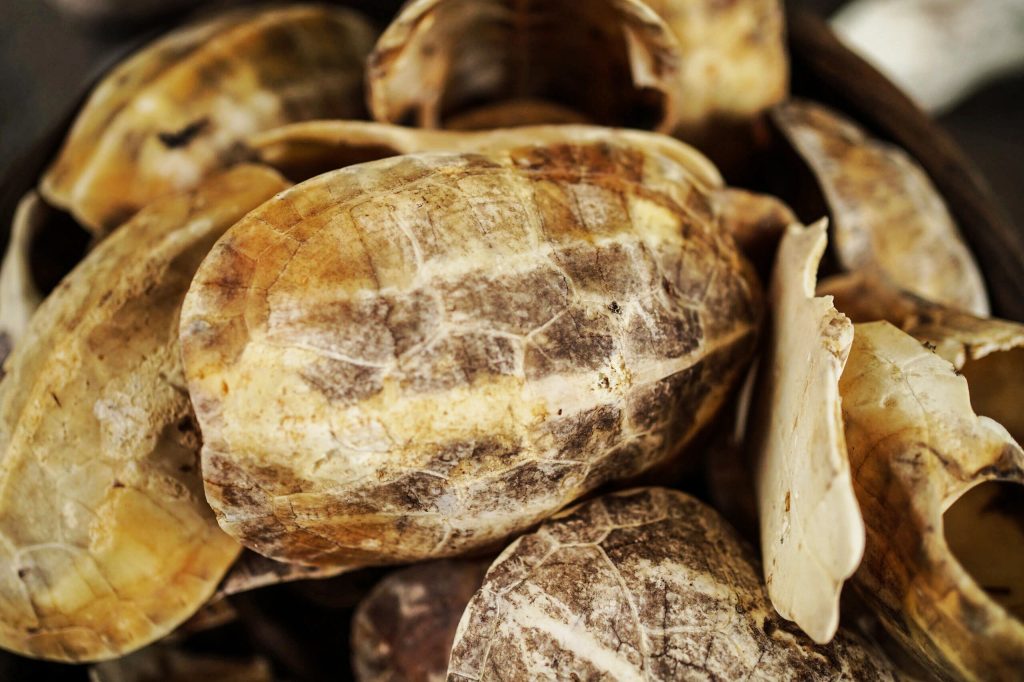
1. Turtle extract — an ingredient in this recipe
The manufacturer describes turtle-shell material and reports selecting it from turtles aged five to six years. Nương Nương’s label names the ingredient as turtle extract. The age detail belongs to the manufacturer’s account of ingredient selection.
This answers a useful question when choosing the dessert: Nương Nương Guiling Jelly is not vegetarian. The ingredient is processed with the rest of the recipe. The shell photograph illustrates the material before preparation, rather than the amount in each bowl.
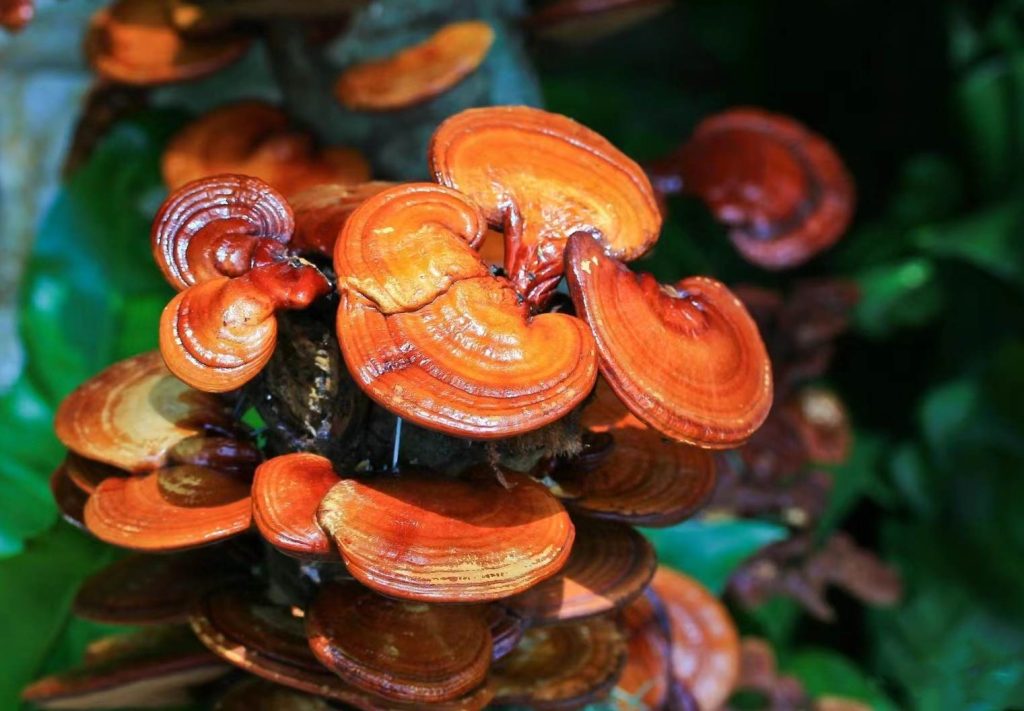
2. Reishi — the reddish brown mushroom caps
Reishi appears in the manufacturer’s title, 灵芝龟苓膏. The glossy reddish-brown caps and layered markings give it a recognisable form among the leaves, flowers and fruit in the recipe.
The manufacturer describes reishi as having a woody aromatic character. In the dessert it is processed into the mixture, so you experience the combined flavour rather than encountering a whole mushroom cap as pictured.
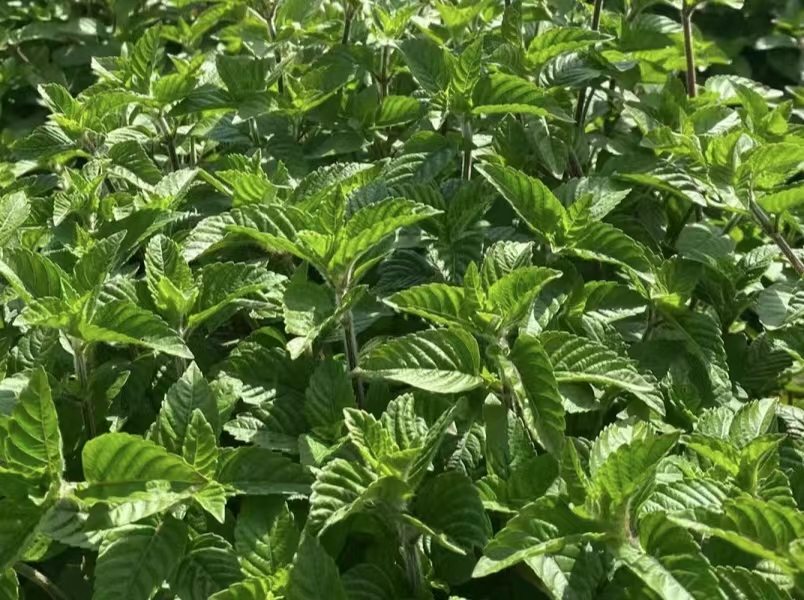
3. Grass jelly herb — a connection with a familiar dessert
The material names grass jelly herb as 仙草 or 凉粉草 and introduces it within Lingnan food culture. Its dried stems and leaves can be cooked, with the resulting liquid combined with starch to make jelly.[1]
This ingredient connects Guiling with familiar grass jelly. The recipe here also includes turtle extract, fungi and several other ingredients. Read the ingredient list when choosing a dessert, rather than relying on the bowl’s black colour alone.
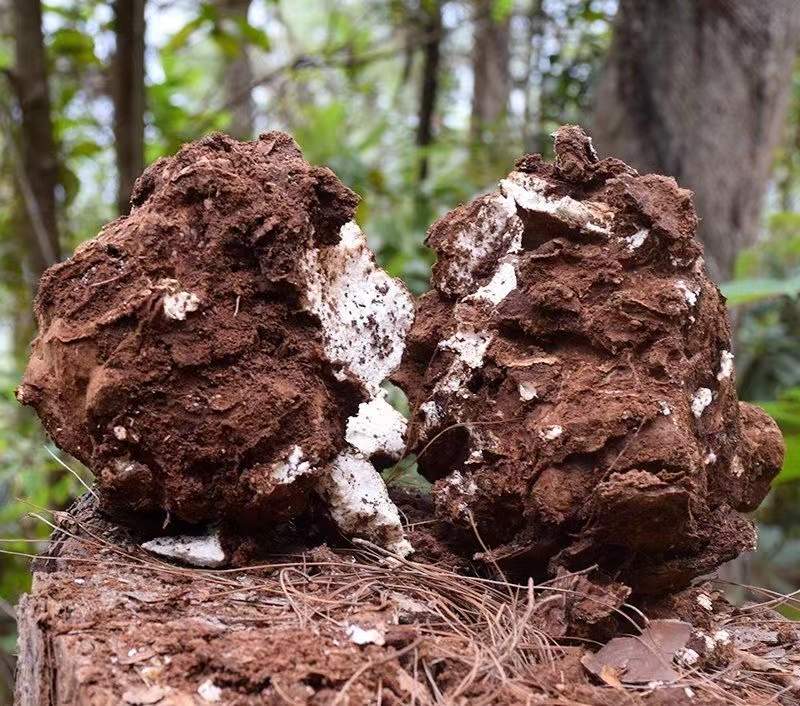
4. Yunnan poria — the white interior of a fungal mass
The manufacturer introduces poria from Yunnan’s mountains, associated with older trees. The photograph shows a rough brown exterior and white interior, helping you picture the ingredient before it is cut and prepared.
Poria, or 茯苓, is a fungal sclerotium, a compact mass of fungal tissue.[2] Alongside reishi, it is one of this recipe’s fungal ingredients. Yunnan is the growing-region story reported by the manufacturer.
An easy distinction to miss. Poria and tufuling are different ingredients. Poria is a fungal sclerotium; tufuling is a rhizome from a Smilax plant.[2][3] Both Nương Nương’s label and this manufacturer’s material name poria.
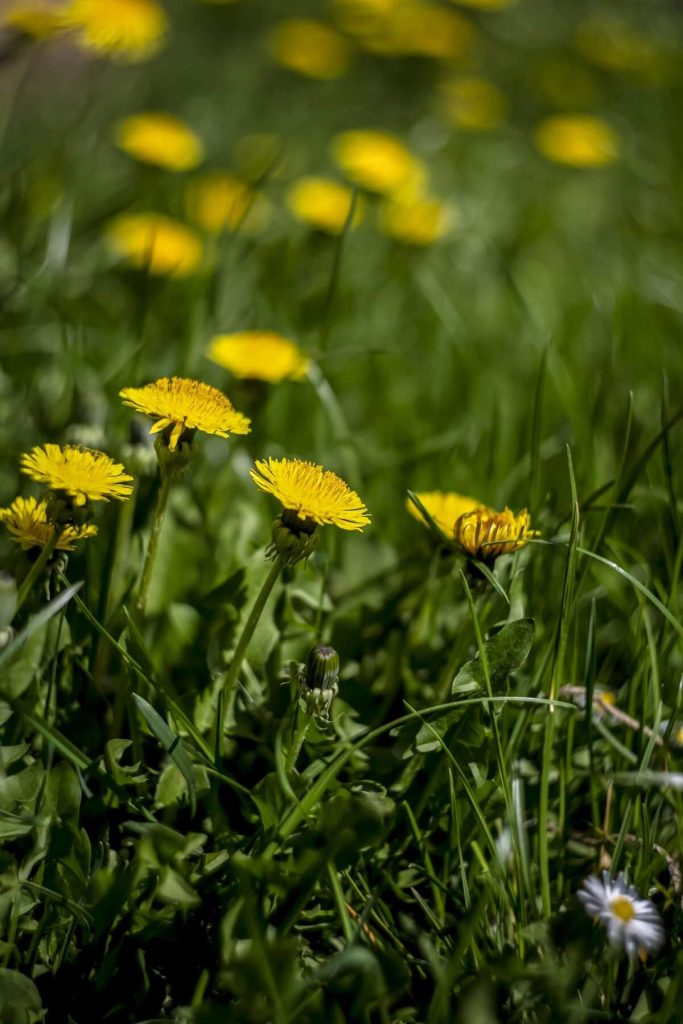
5. Dandelion — yellow flowers among the grass
Dandelion appears as 蒲公英 in the ingredient list. The photograph of yellow flowers among green grass gives a shape to a name on the label. Once the ingredients are combined and cooked into jelly, the original plant is no longer visible; this illustration does not establish that only the flowers are used.
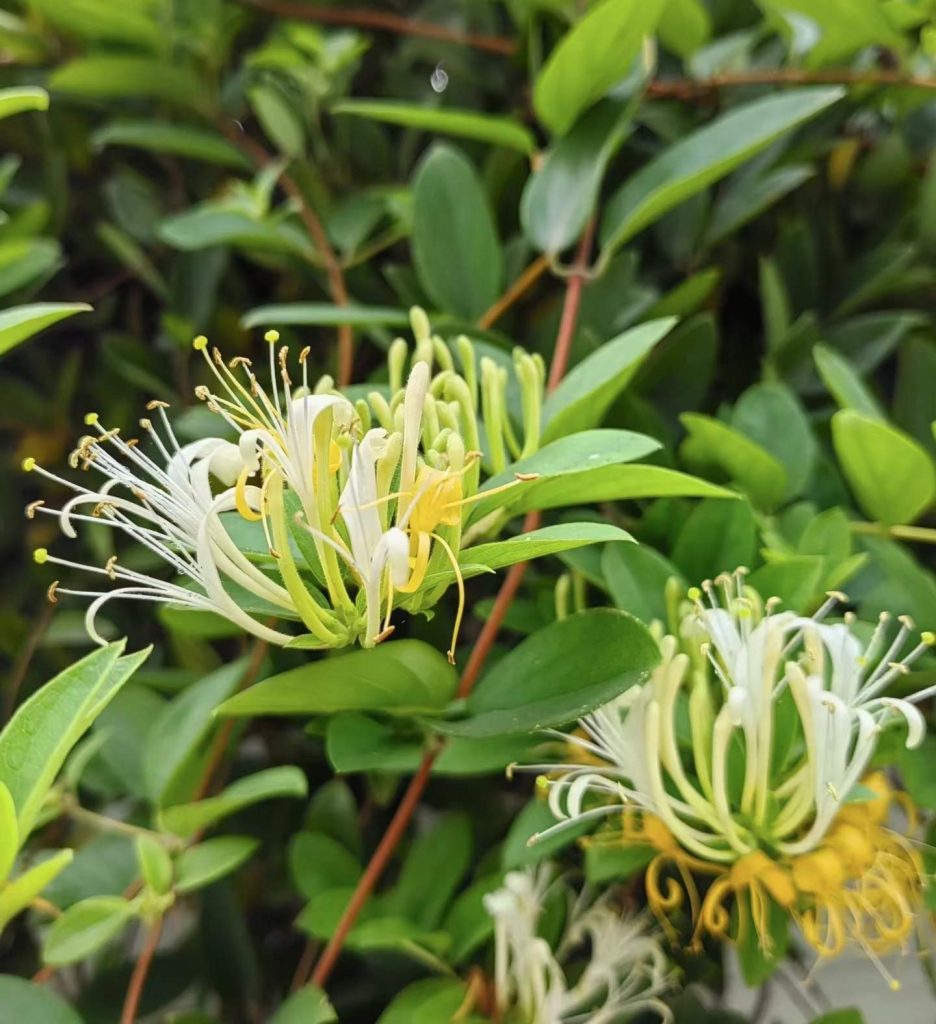
6. Honeysuckle and chrysanthemum — two flower shapes
Honeysuckle has slender white and yellow flowers, as pictured. Chrysanthemum has many layers of petals around its centre. The manufacturer introduces them as a pairing that brings floral character to the dessert.
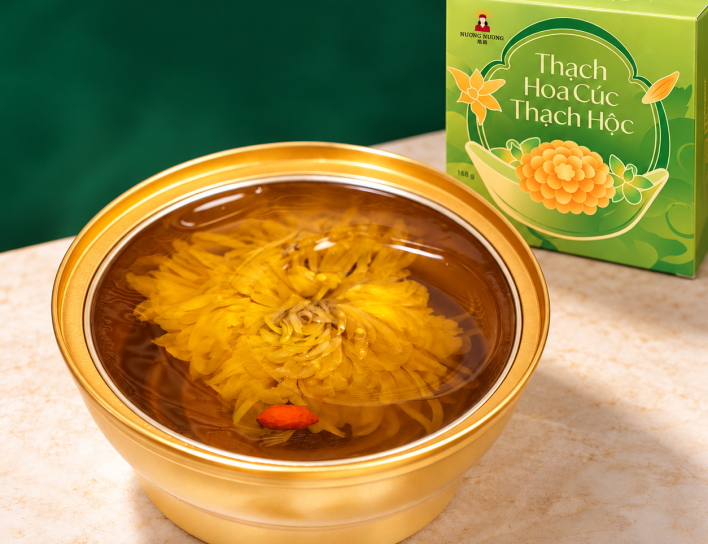
In the bowl they are prepared with the other ingredients. Chrysanthemum is part of this Guiling recipe; Nương Nương’s separate Chrysanthemum and Dendrobium Jelly has its own recipe and story.
7. Monk fruit — a Guangxi specialty story
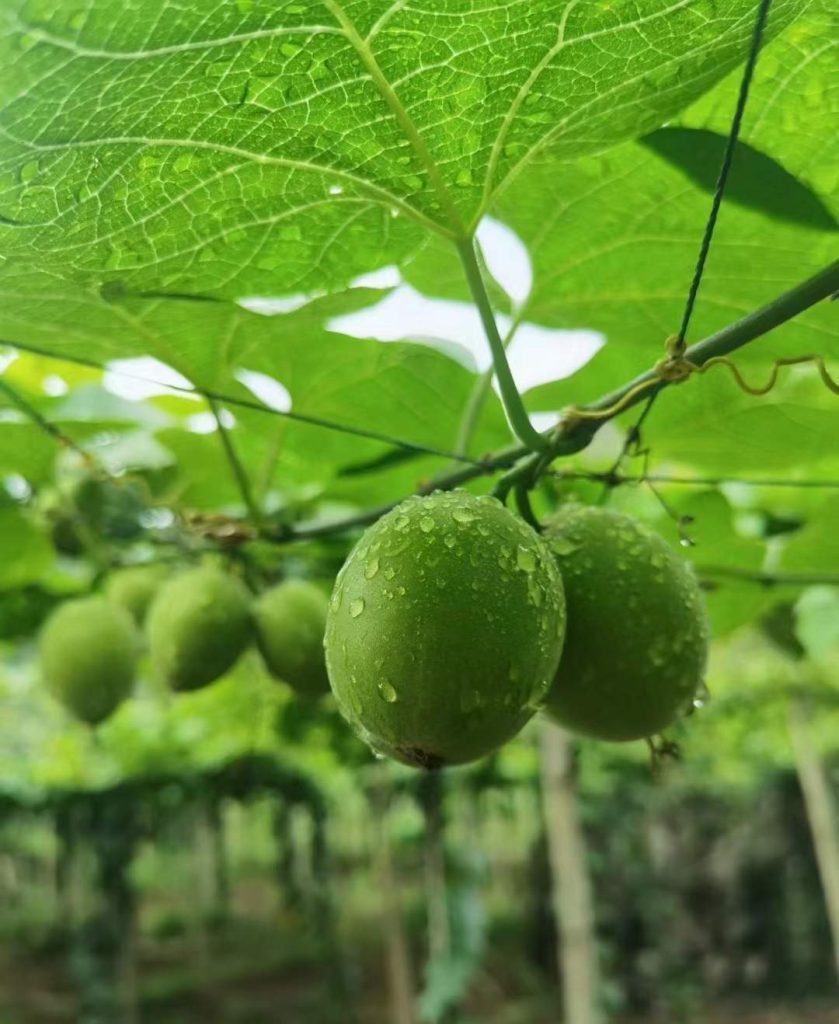
For monk fruit, the manufacturer introduces a specialty associated with Guangxi. The photograph shows the round green fruit on its vine before drying. The manufacturer describes a clear, sweet taste that contributes to the mixture’s flavour.
Containing monk fruit does not automatically make the dessert sugar-free or low in calories. If you are monitoring sugar, check the nutrition label and include any honey or toppings you add.
8. Liquorice, cogongrass rhizome, water and starch
Liquorice and cogongrass rhizome are also in the recipe; Nương Nương’s label specifies fresh cogongrass rhizome. They complete the ten featured ingredients described here, alongside water and starch. These ingredients include plants, fungi and animal material.
Water and starch help form the base for the prepared ingredients. The final texture comes from the complete formulation and cooking process, so one ingredient photograph cannot explain the dessert’s entire set.
Ready-to-eat jelly, with honey kept separate
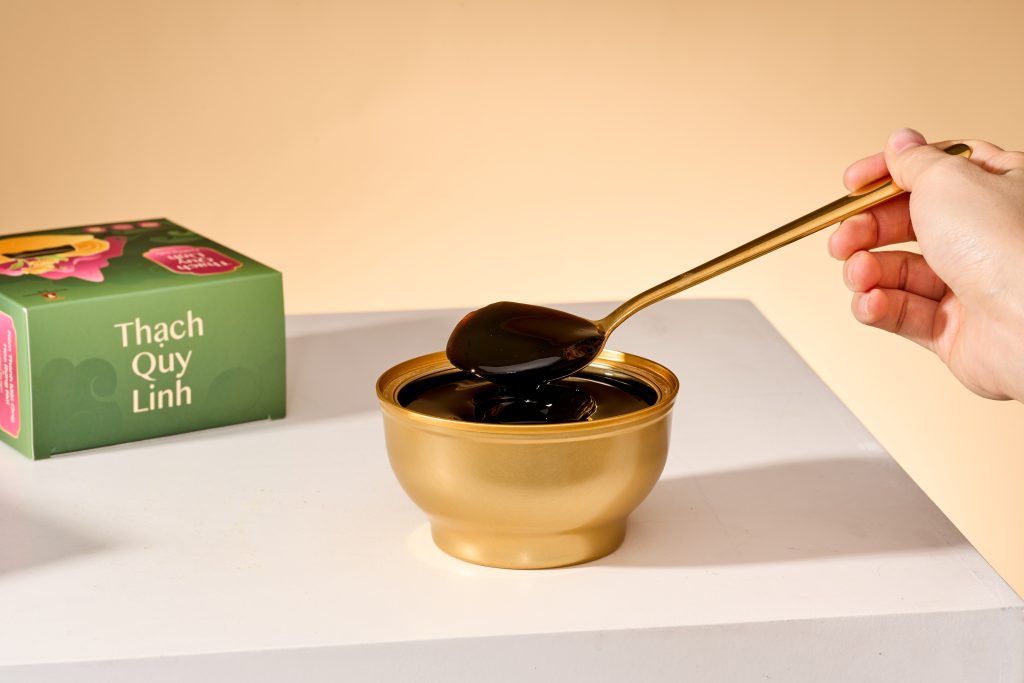
After cooking and sealing, the jelly is ready to enjoy. Nương Nương’s pack contains 258 g of jelly, a separate 12 g honey sachet and an individually wrapped spoon. Try a small spoonful plain first, then add honey gradually to find the sweetness you prefer.
Chill it according to the label if you like a cool serving. You can spoon it directly from the opened bowl; the retail bowl contains a continuous set jelly. After a meal or during a break, it offers a change of flavour to enjoy at your own pace.
The label does not recommend it for pregnant or breastfeeding people or children under three. Follow the storage instructions and expiry date on your own pack, and finish within 24 hours of opening.